

NV-based magnetometry enabling nanoscale NMR under ambient conditions, allowing high-resolution analysis of tiny samples, single cells, and proteins, advancing metabolomics, disease diagnosis, and drug discovery beyond traditional NMR limits.

Quantum dot–based nanocomposites enabling miniature, dual-modality ultrasound sensors with wavelength-selective absorption, enhancing sensitivity, bandwidth, and multi-modal imaging, improving high-resolution biomedical diagnostics and patient comfort.

Quantum algorithms like QAOA and quantum annealing optimising complex nurse scheduling, improving efficiency, patient care, and cost-effectiveness by meeting staffing requirements, reducing errors, and streamlining healthcare operations through AI-quantum hybrid methods.

Quantum-inspired Quantum Tunnel Annealing accelerating radiotherapy planning, escaping local minima more effectively than traditional methods, enabling up to 46.6% faster optimisation and rapid adaptive treatment plan recalculation for improved patient care.

Quantum algorithms, such as VQCs and quantum random forests, enabling faster, more accurate prediction of disease risks from complex datasets, supporting early intervention, personalized treatment, and improved healthcare outcomes.

Quantum clustering efficiently groups individuals by complex health data, enabling personalized healthcare, targeted interventions, and optimized resource allocation, ultimately improving public health outcomes and reducing costs.

Quantum machine learning enables biomarker discovery by handling complex, noisy, or limited datasets, improving prediction and clustering, and ultimately supporting earlier disease detection and more precise, personalized diagnostics.

Quantum Neural Networks (QNNs) improving disease outbreak prediction by analyzing complex population data, enhancing forecasting models, and supporting public health decision-making for effective disease spread management.

Quantum AI and ML, like Quantum SVMs, analyzing EHRs to predict patient behavior, such as medication adherence, enabling personalized treatments and improving intervention outcomes for conditions like rheumatoid arthritis.
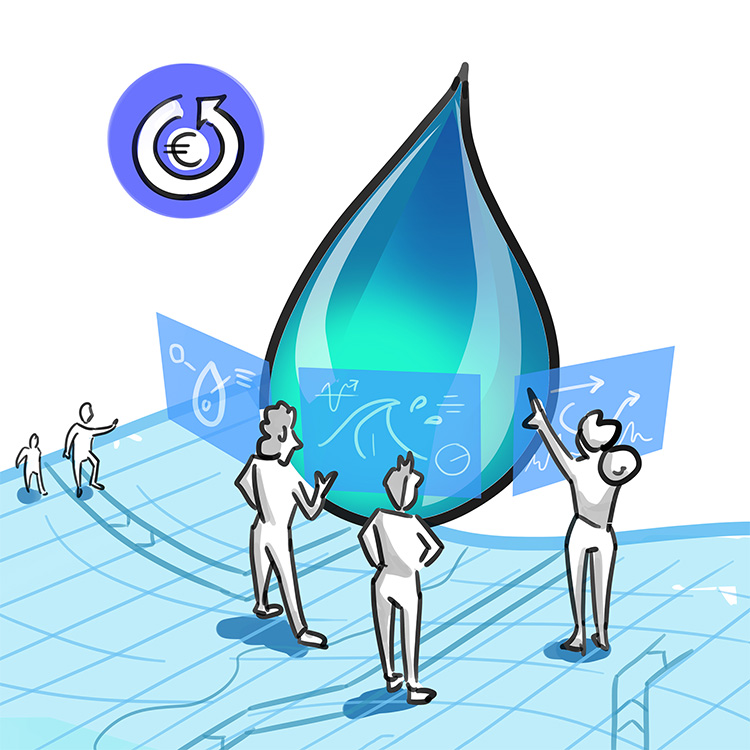
Quantum computing enables efficient modeling of enzyme-pollutant interactions, accelerating sustainable water decontamination solutions with improved accuracy, reduced costs, and scalable technologies.

Quantum acceleration of the NR-GGA algorithm can enhance resilience analysis of water networks, enabling faster, more robust planning to ensure reliable water delivery during disruptions.

Quantum optimisation and machine learning can enhance scenario-based planning, enabling efficient water distribution, improved treatment, and greater resilience of water systems amid climate change challenges.

Graphene quantum dot sensors offer a fast, sensitive, and low-cost solution for soil moisture monitoring, improving crop yields and promoting efficient water use in agriculture.

Quantum computing can optimize rainwater harvesting system sizing through multi-objective models, reducing costs and improving reliability—supporting sustainable water supply, especially in water-scarce and developing regions.

Quantum computing can enhance hydropower optimization by improving efficiency, enabling real-time decisions, and addressing complex, multi-objective challenges in energy production and grid integration.

Quantum gravity sensors enable faster, noise-resistant groundwater mapping, improving aquifer detection and water table monitoring for more effective water resource management.
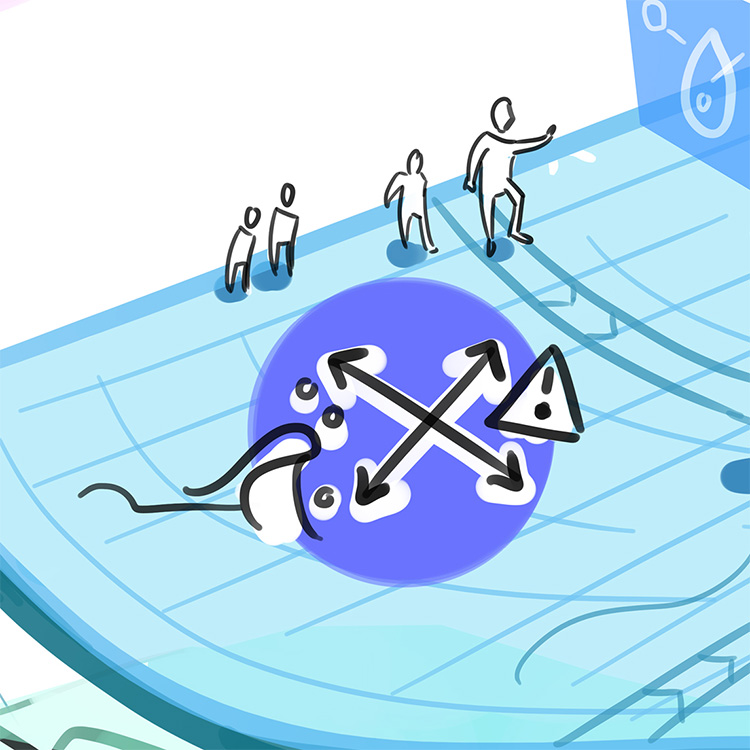
Quantum machine learning enhances flood prediction accuracy, enabling better risk management and climate resilience in water systems through improved analysis of complex hydrological and climate data.

Quantum algorithms like VQAs and QPINNs can enhance extreme weather simulations, improving prediction accuracy and speed, leading to better water management and disaster response planning.

Quantum Machine Learning enhances flood forecasting by accurately analyzing complex data, improving prediction sensitivity, and enabling better disaster prevention and water system resilience.

Quantum gravity gradiometers using atom interferometry can enhance detection of water mass changes and movement, enabling more accurate monitoring of oceans and ice, and supporting climate resilience and water resource management.

Quantum sensor networks using space-based entanglement could greatly enhance Earth imaging, enabling more precise and detailed monitoring of coastal erosion and environmental changes.

Quantum-assisted optimization and machine learning could improve lock management, enhancing navigation, flood prevention, agriculture, and ecosystem protection through smarter, more efficient water flow control.

Quantum sensors like magnetometers and gravimeters offer highly sensitive, non-invasive, and durable solutions for detecting early-stage piping and internal changes in dikes, enhancing flood prevention and safety.

Quantum sensors like SQUID magnetometers can enhance real-time monitoring of groundwater flow, improving estimates of water retention times and ensuring safe, regulation-compliant water re-extraction.
Water Sector: Use CasesMeerte van Duuren


