

Quantum sensor-based subcellular microscopes enabling highly sensitive 3D imaging of cellular temperature, magnetic, and electric fields, improving drug discovery, disease treatment, and multimodal biomedical data acquisition in living cells.

Quantum tissue oxygenation imaging using advanced sensors to noninvasively detect hypoxic tissue at millimeter resolution, enabling early diagnosis of ischemia, cancer, and other conditions, with bedside and outpatient applications.

Optically Pumped Magnetometers (OPMs) enabling precise, comfortable fetal heart and brain monitoring, overcoming SQUID limitations, improving diagnosis of fetal arrhythmias, maternal conditions, and cognitive development, and potentially enhancing outcomes for both mother and fetus.

Quantum algorithms like QAOA, Grover’s, and phase estimation enable efficient DNA sequence reconstruction, boosting genome assembly speed and accuracy, with potential applications in RNA and omics for advancing genetic research and disease understanding.

Quantum algorithms accelerate DNA and protein sequence alignment, overcoming classical computational limits. This enables faster genetic analysis, precision medicine, mutation detection, and large-scale genomic research, supporting breakthroughs in personalized healthcare and drug development.

Quantum optimisation enhances phylogenetic tree reconstruction by efficiently navigating vast combinatorial spaces, improving accuracy and scale. This advances understanding of genetic evolution, aiding disease tracking, diagnostics, and treatment development.
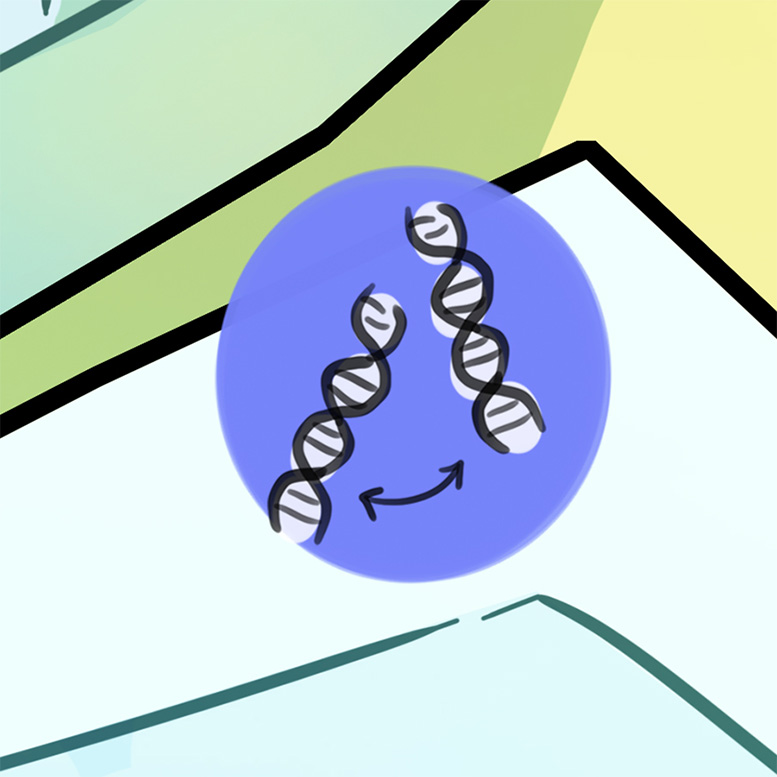
Quantum computing modelling gene regulatory networks by representing genes as qubits, capturing complex interactions simultaneously, enabling more accurate inference of known and novel gene relationships, advancing biological understanding and health research.

Quantum computing with hybrid algorithms like VQE and THC enhances electronic structure calculations, enabling accurate, faster modeling of complex drug–protein interactions and materials beyond classical methods, transforming drug design and material discovery efficiency.

Quantum optimisation and machine learning accelerate genomic variant detection and prioritisation, enhancing genotype-phenotype mapping, improving disease understanding, and enabling faster discovery of diagnostic and therapeutic opportunities.

Quantum computing enhancing digital twins of biological systems, enabling faster, more detailed simulations for diagnostics, treatment planning, and research, improving accuracy, responsiveness, and supporting personalized medicine through hybrid classical-quantum models.

Quantum AI and ML, like Quantum SVMs, analyzing EHRs to predict patient behavior, such as medication adherence, enabling personalized treatments and improving intervention outcomes for conditions like rheumatoid arthritis.

Quantum Neural Networks (QNNs) improving disease outbreak prediction by analyzing complex population data, enhancing forecasting models, and supporting public health decision-making for effective disease spread management.

Quantum machine learning enables biomarker discovery by handling complex, noisy, or limited datasets, improving prediction and clustering, and ultimately supporting earlier disease detection and more precise, personalized diagnostics.

Quantum clustering efficiently groups individuals by complex health data, enabling personalized healthcare, targeted interventions, and optimized resource allocation, ultimately improving public health outcomes and reducing costs.

Quantum algorithms, such as VQCs and quantum random forests, enabling faster, more accurate prediction of disease risks from complex datasets, supporting early intervention, personalized treatment, and improved healthcare outcomes.

Quantum-inspired Quantum Tunnel Annealing accelerating radiotherapy planning, escaping local minima more effectively than traditional methods, enabling up to 46.6% faster optimisation and rapid adaptive treatment plan recalculation for improved patient care.

Quantum algorithms like QAOA and quantum annealing optimising complex nurse scheduling, improving efficiency, patient care, and cost-effectiveness by meeting staffing requirements, reducing errors, and streamlining healthcare operations through AI-quantum hybrid methods.

Quantum dot–based nanocomposites enabling miniature, dual-modality ultrasound sensors with wavelength-selective absorption, enhancing sensitivity, bandwidth, and multi-modal imaging, improving high-resolution biomedical diagnostics and patient comfort.

Quantum optimisation and machine learning can enhance scenario-based planning, enabling efficient water distribution, improved treatment, and greater resilience of water systems amid climate change challenges.
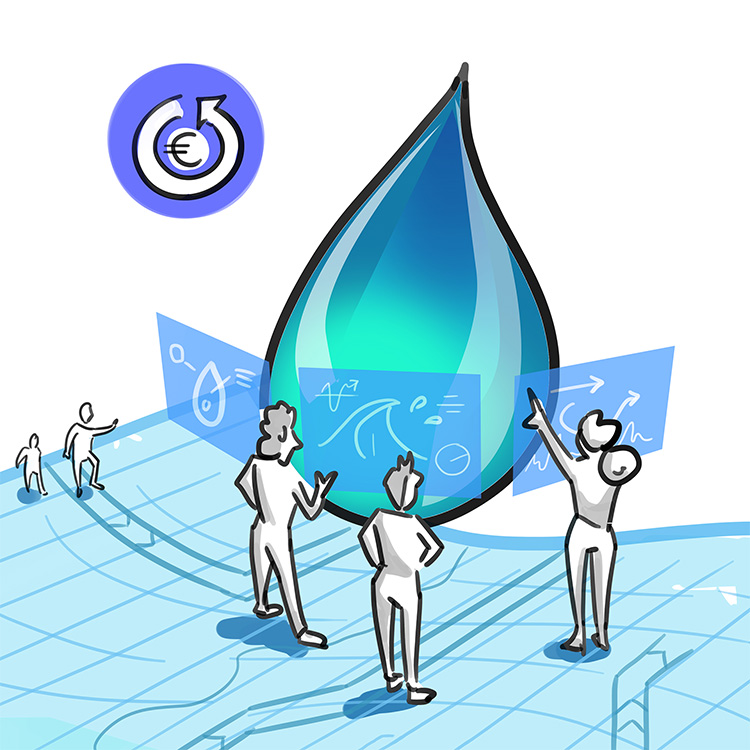
Quantum computing enables efficient modeling of enzyme-pollutant interactions, accelerating sustainable water decontamination solutions with improved accuracy, reduced costs, and scalable technologies.

Quantum acceleration of the NR-GGA algorithm can enhance resilience analysis of water networks, enabling faster, more robust planning to ensure reliable water delivery during disruptions.

Graphene quantum dot sensors offer a fast, sensitive, and low-cost solution for soil moisture monitoring, improving crop yields and promoting efficient water use in agriculture.

Quantum computing can optimize rainwater harvesting system sizing through multi-objective models, reducing costs and improving reliability—supporting sustainable water supply, especially in water-scarce and developing regions.

Quantum computing can enhance hydropower optimization by improving efficiency, enabling real-time decisions, and addressing complex, multi-objective challenges in energy production and grid integration.
Water Sector: Use CasesMeerte van Duuren


